Participant Stories
Participant Stories
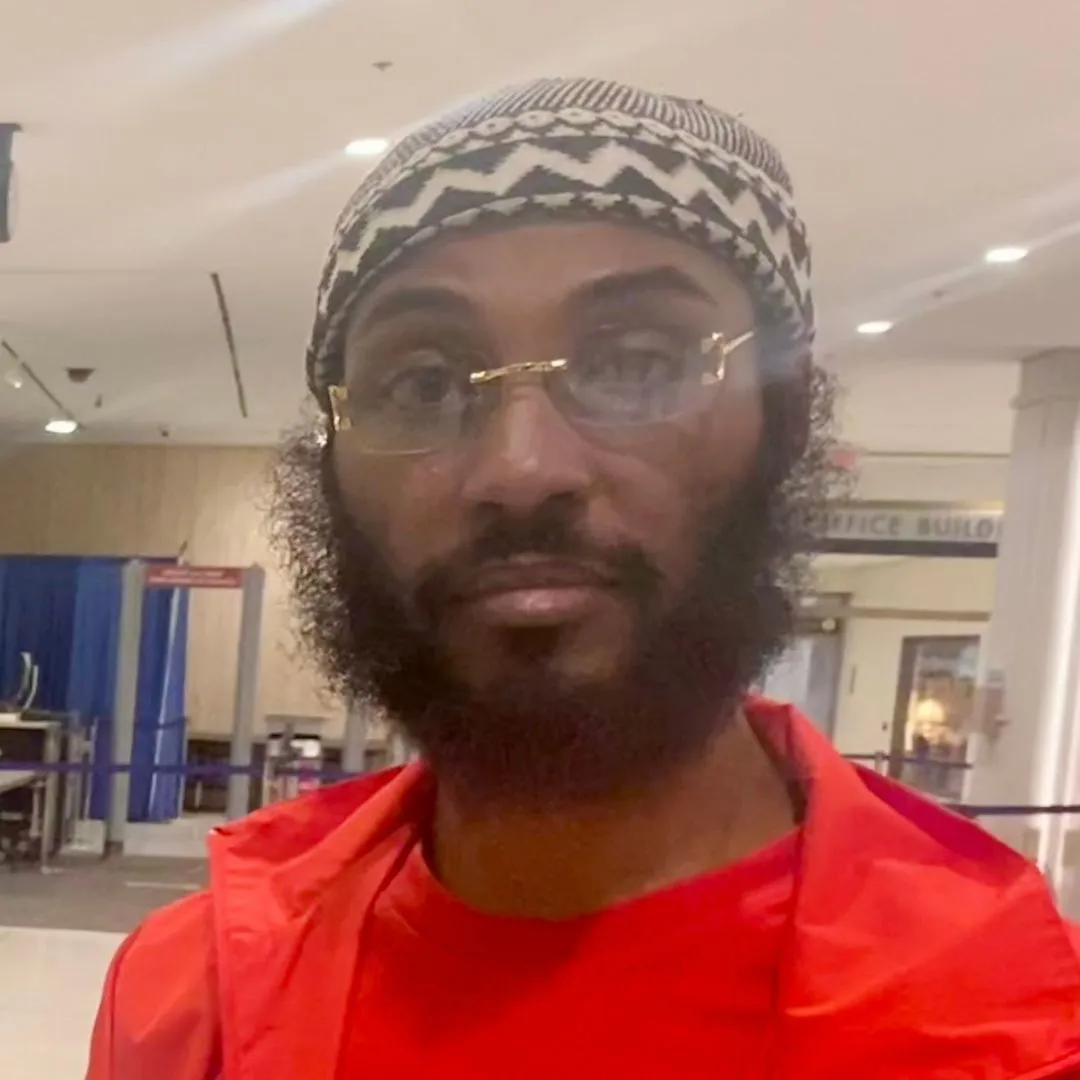
A New Chapter: Sha-Ken's Advocacy Leads to Landmark Legislation
Sha-Ken recently realized a dream he never imagined was possible: he helped pass New York state legislation that will positively impact people with past justice-involvement like his.
Read the story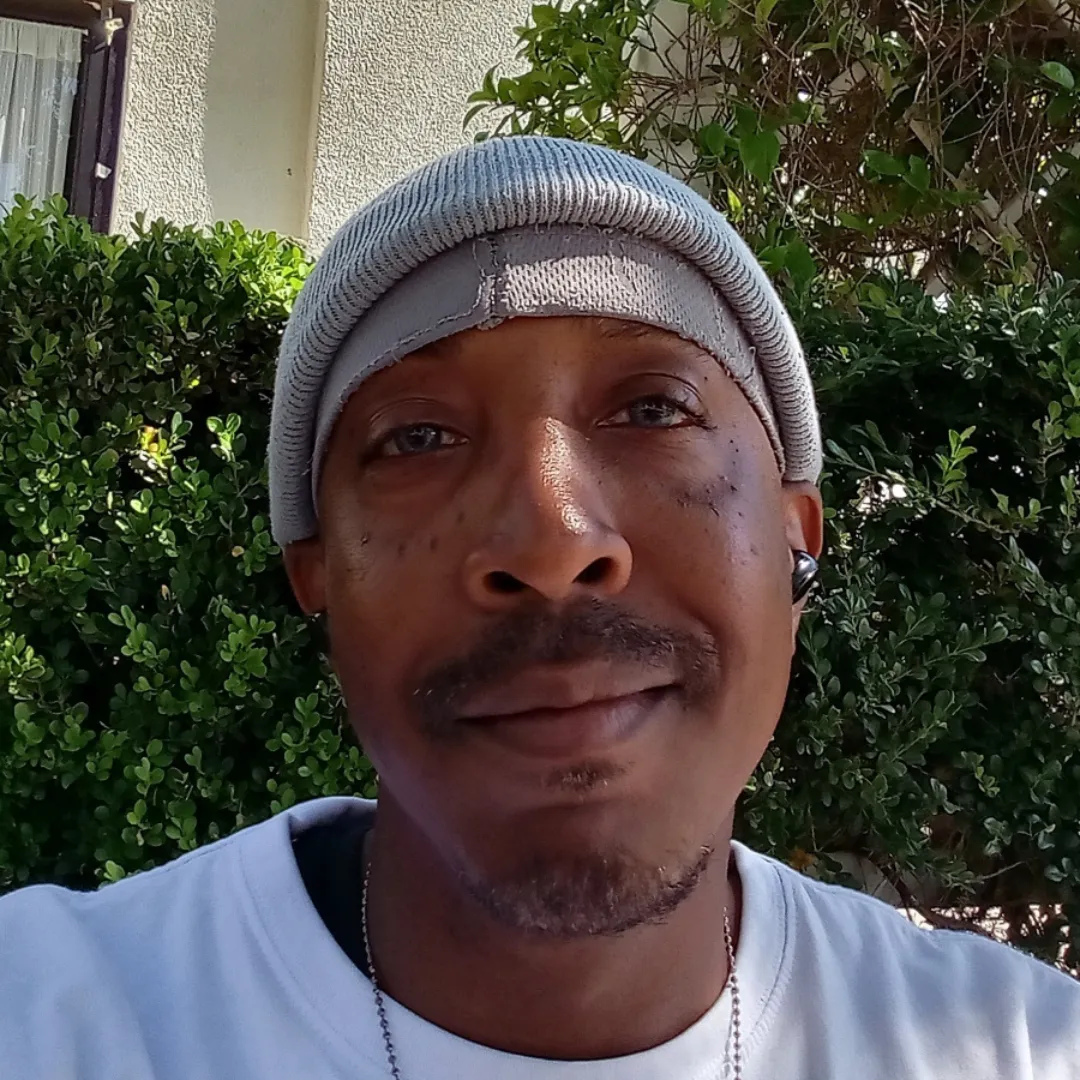
Participant Stories
Turning Passion into Action: How an Advocacy Program Lit Azariah’s Flame
This spring, Azariah performed a prestigious rite of passage: he spoke at the graduation ceremony for a program he’d been a part of called the Advocacy Leadership Committee (ALC).
Read the story
Participant Stories
CompTIA training reunites Brian with his passion for IT
Brian is proud of everything that he has accomplished in the short time since he was released. He says that CEO and the CompTIA training have given him the support to help him get back on his feet and on a path toward a career.
Read the story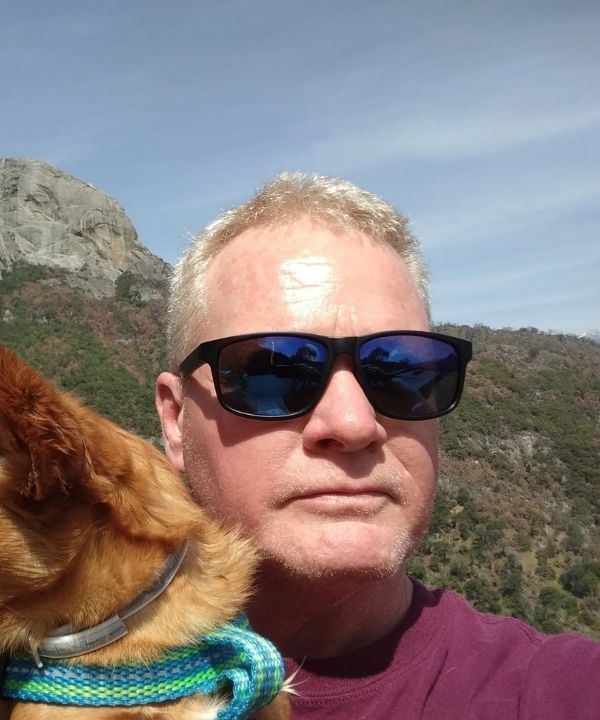
Participant Stories
IT Training program provides new opportunities for Allen–and his dog
Allen didn't just have himself to worry about at home—he had Max, his new dog. "He suffers from such bad separation anxiety when I'm gone," Allen said. "Every day I'm going to work, I have a little camera in my living room for Max. I call it my Max cam."
Read the story
Participant Stories
With IT training, Jerel invests in a future for his family
Jerel is part of a new advanced training opportunity through the Center for Employment Opportunities (CEO). Through this program, CEO financially supports participants through information technology (IT) training that should lead to a well-paid career.
Read the story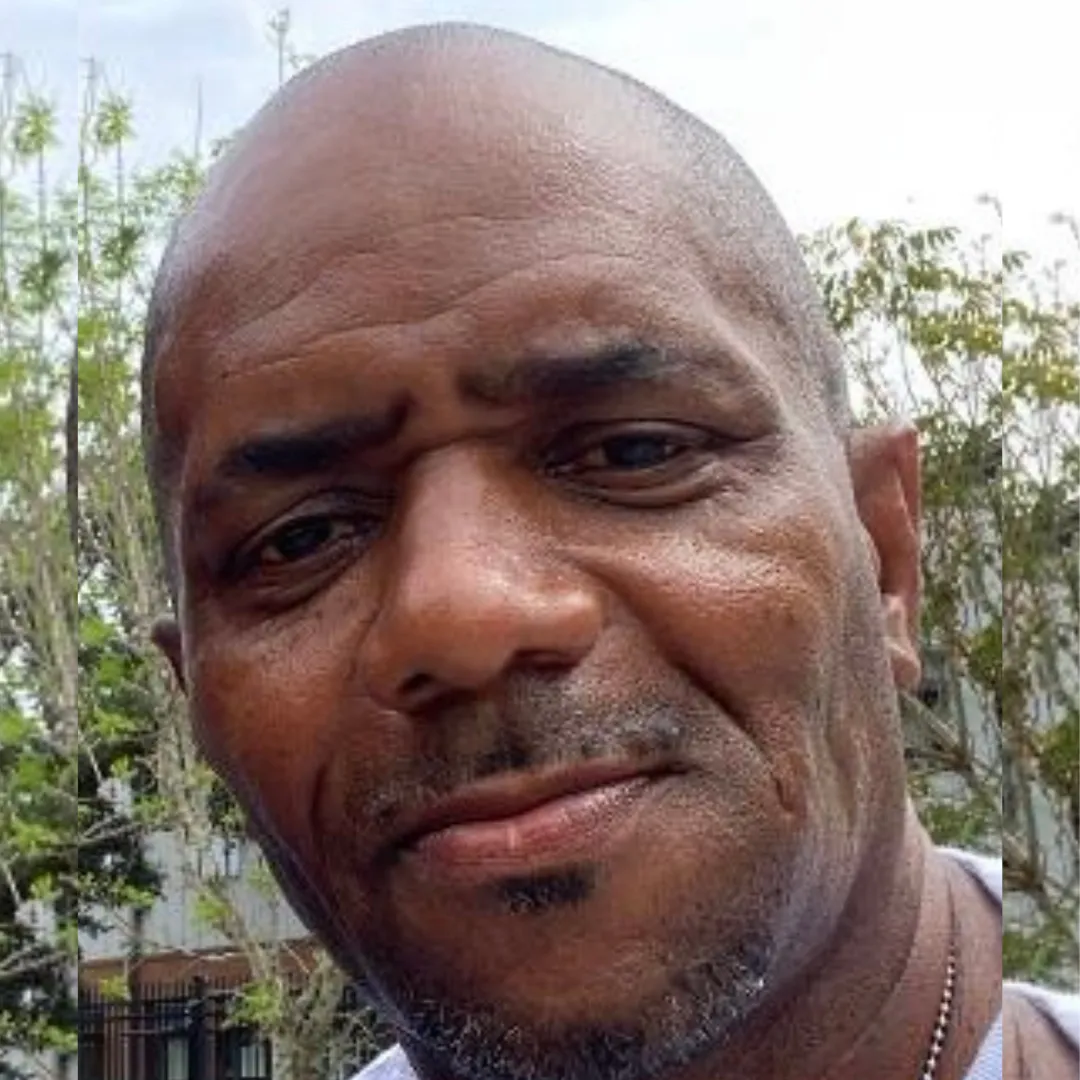
Participant Stories
Walter breaks the cycle and is helping others do the same
Once coming home, Walter had researched organizations that could help him gain employment. This is when he came across Center for Employment Opportunities (CEO), and began to feel excited and hopeful about the next phases of his life.
Read the story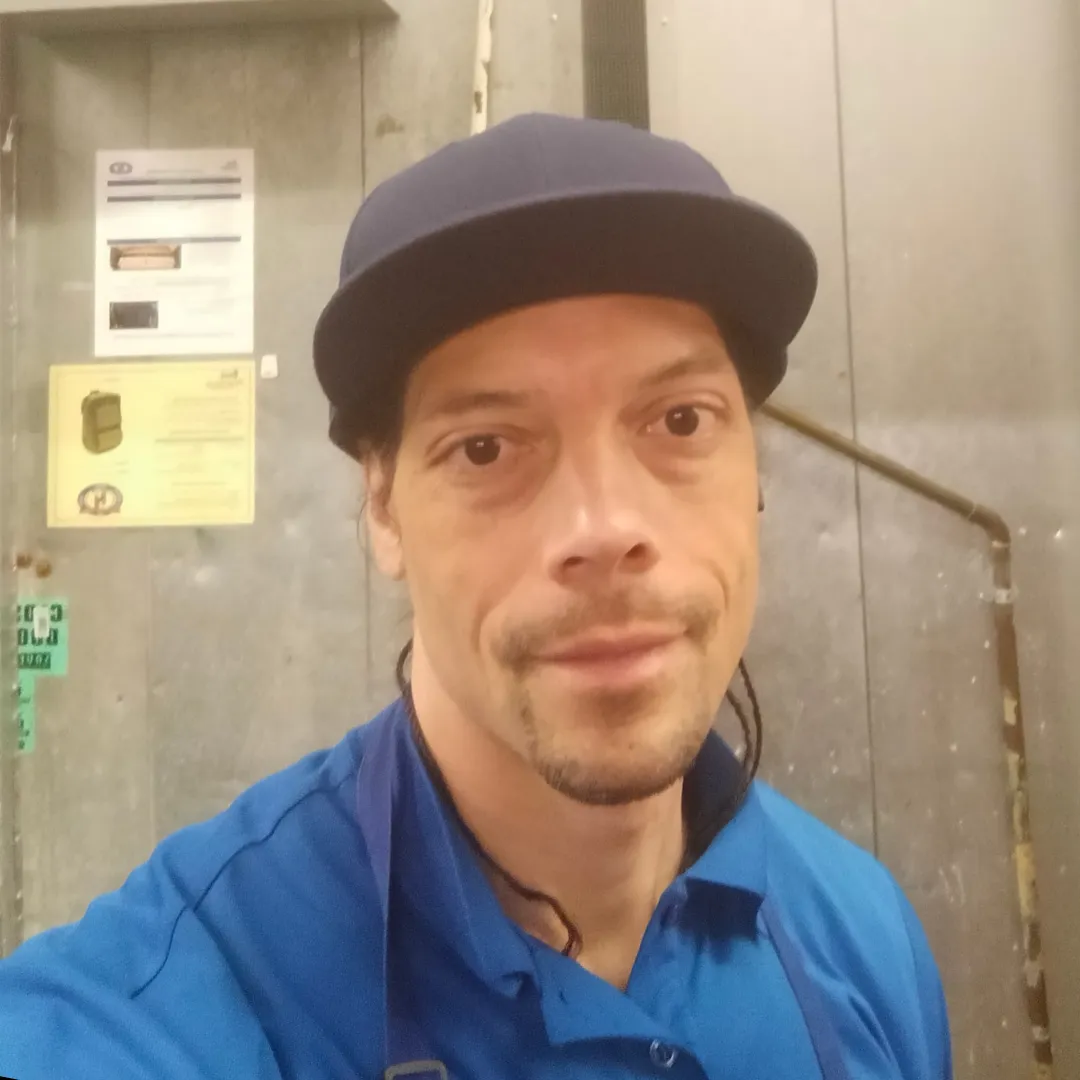
Participant Stories
Consistency pays off: Ras achieves 365-day employment milestone
This holiday season, Ras has an extra reason to celebrate: he recently achieved a year of employment post-incarceration.
Read the story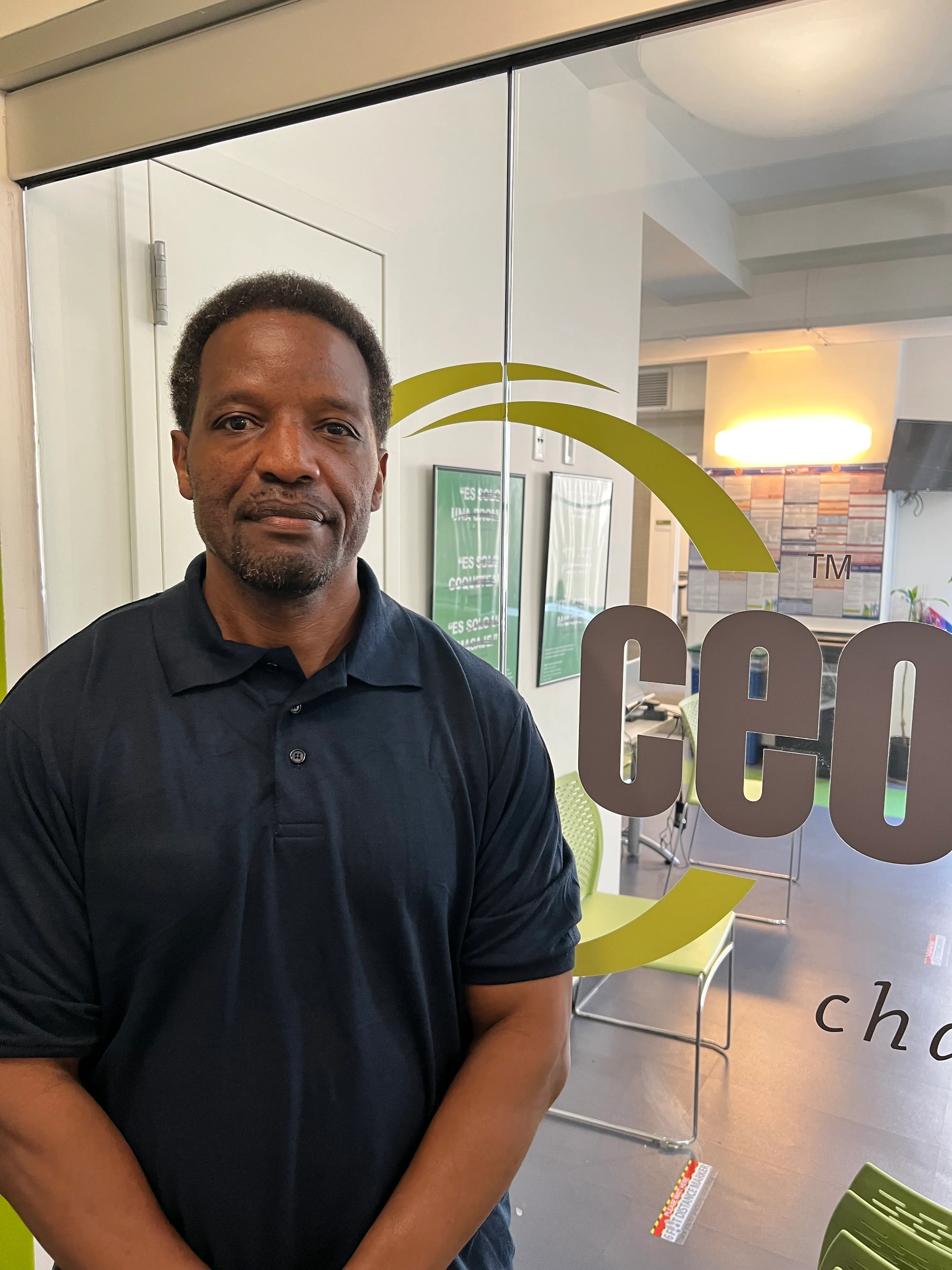
Participant Stories
Stacey channels his voice and passion into advocacy work
Stacey is an advocacy fellow for the Center for Employment Opportunities (CEO). He says this position has opened the door for him to tackle issues he cares deeply about.
Read the story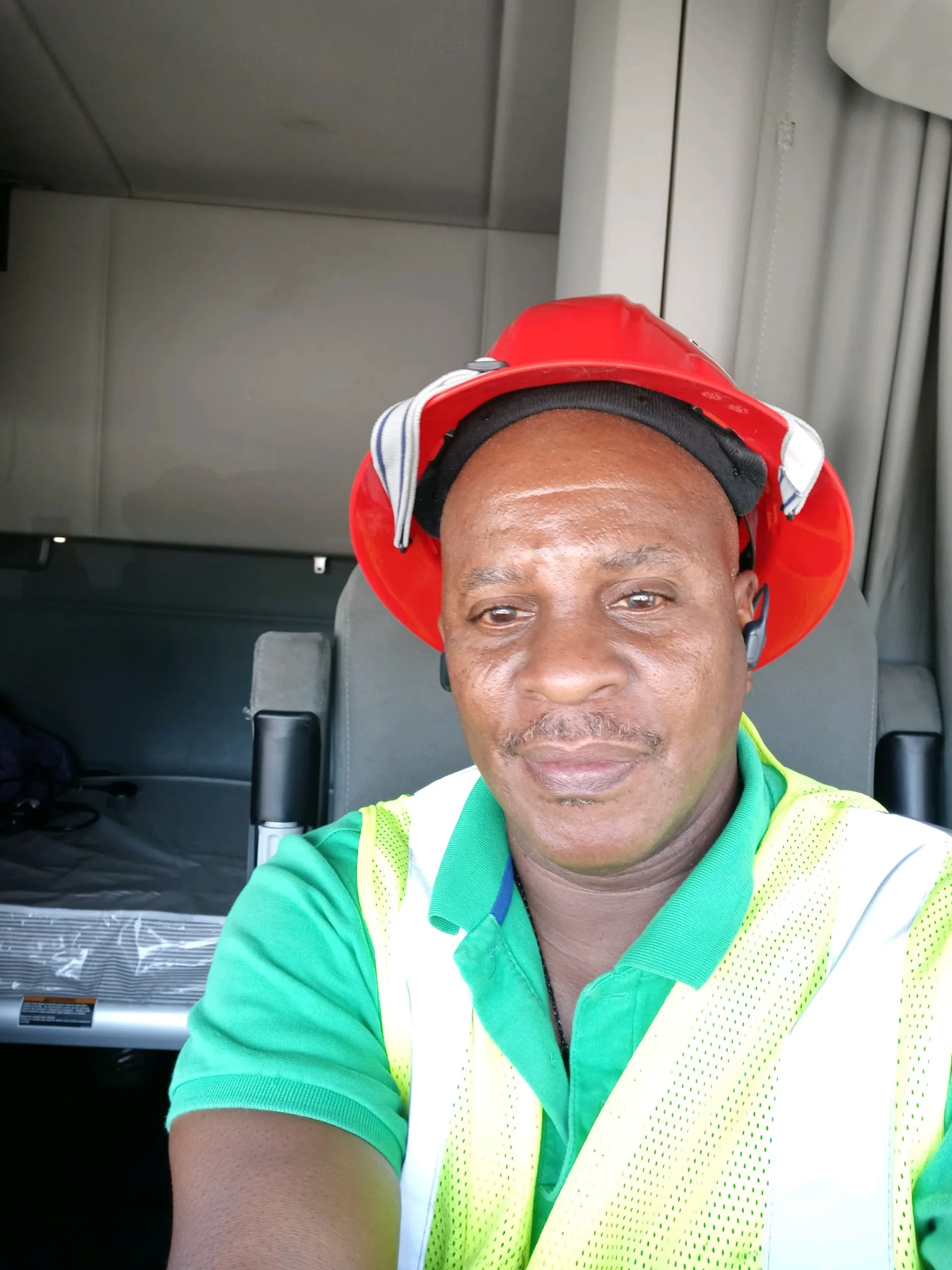
Participant Stories
Over-the-road and onto a new chapter, Rodney finds success in trucking
Rodney, a new trucker, not only drives a long way in a short time for his routes but has come a long way in life in a short time.
Read the story
Participant Stories
Celebrating a full year of employment, Brian looks to the future
This past July, around the time many Americans were celebrating the anniversary of the nation’s founding, Ohio resident Brian celebrated a personal milestone: 365 days of employment post-incarceration.
Read the story
Participant Stories
Opinion: Why companies should hire formerly incarcerated workers like me
I’ve been an information technology support specialist in Detroit for half a year now, and I consider myself lucky because I love my job helping other people solve problems. But it wasn’t easy getting here.
Read the story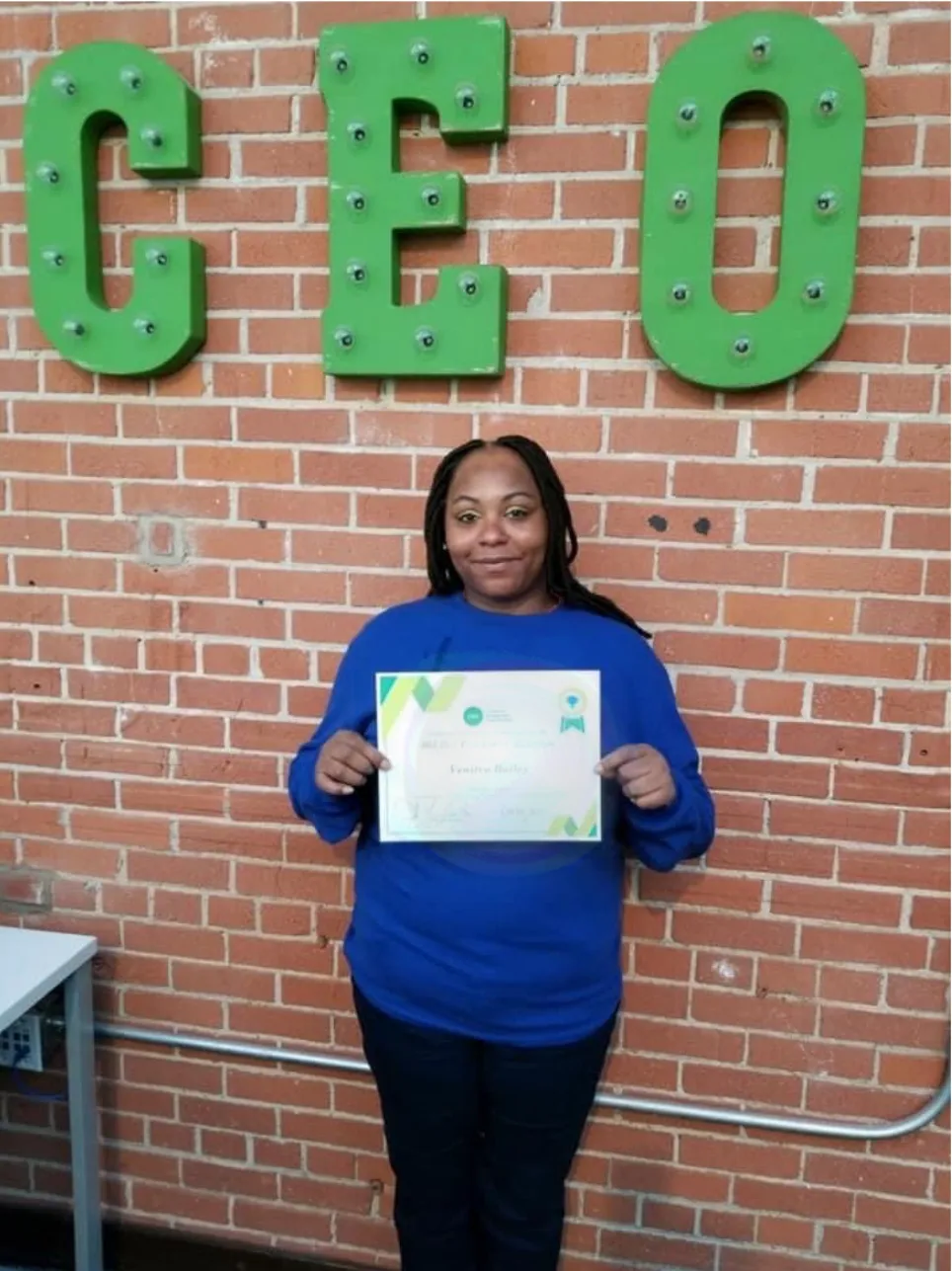
Participant Stories
Venitra finds both a career and self-confidence with reentry support
Venitra loves her job as a picker at a warehouse in Oklahoma City, OK. She gets excellent benefits and uses the forklift skills she trained for. However, there was a long period when she was fearful about finding a good position. She was incarcerated during the pandemic and was unsure what work she would be able to do after her release, especially because before being in prison, she and her husband had only worked fast-food jobs.
Read the story