

Welding
What does a Welder do?
A welder uses hand-welding, flame-cutting, hand-soldering, or brazing equipment to weld or join metal components or to fill holes, indentations, or seams of fabricated metal products.
WAGES AND EMPLOYMENT PROJECTIONS
$50,000/yr
Average Annual Wage for Welders in the U.S.
42,000
Annual Projected Job Openings

Average demand and outlook

are you a good fit to be Welder ?
People starting in this career usually have:
High school diploma or equivalent
No work experience
More than 1 year on-the-job training
Attention to Detail
Problem-Solving
sKILLS & Day to day Activities
sKILLS
sKILLS
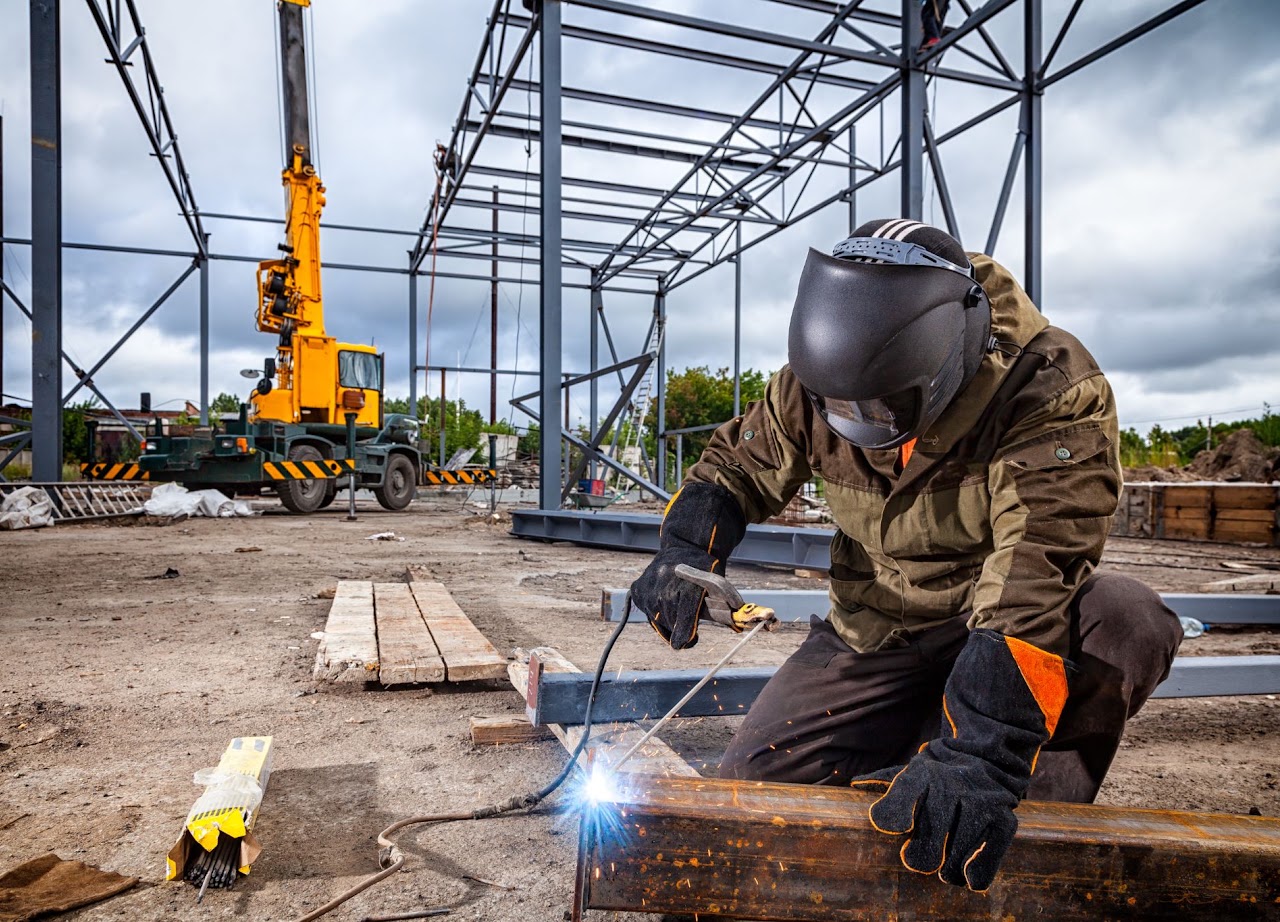
Welding Techniques: Proficiency in various welding methods such as MIG (Metal Inert Gas), TIG (Tungsten Inert Gas), stick welding (Shielded Metal Arc Welding), and flux-cored arc welding.
Blueprint Reading: Ability to read and interpret blueprints, technical drawings, and welding symbols.
Material Knowledge: Understanding of different types of metals and alloys, their properties, and how they respond to heat and welding processes.
Welding Equipment Operation: Proficiency in operating welding machines, torches, and related equipment.
Cutting Techniques: Skills in cutting materials using oxy-fuel cutting, plasma cutting, and other methods.
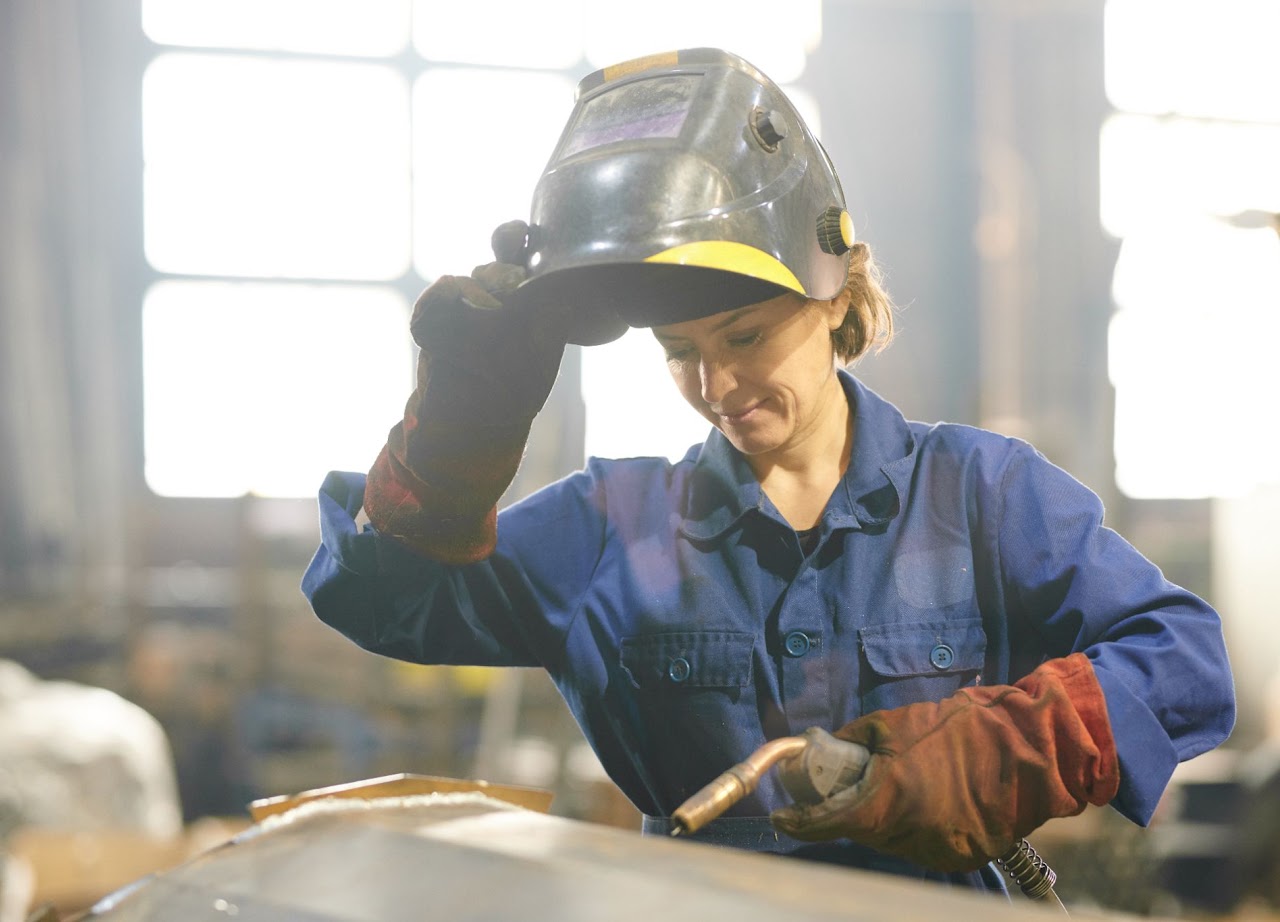
Safety Procedures: Knowledge of safety protocols and practices to prevent accidents and injuries, including the use of personal protective equipment (PPE).
Quality Control: Ability to inspect and test welds to ensure they meet specifications and standards, using tools like weld gauges and inspection equipment.
Day to day activities
Day to day activities
Reviewing Blueprints and Specifications: Start the day by reviewing blueprints, technical drawings, and welding symbols to understand the requirements for the welding projects.
Preparing Materials: Gather and prepare the materials needed for the welding process, including cutting and cleaning metal pieces.
Setting Up Equipment: Set up welding machines, torches, and other equipment, ensuring everything is in proper working condition.
Performing Welding Operations: Perform welding tasks using various techniques such as MIG, TIG, stick, or flux-cored arc welding, depending on the project requirements.
Cutting and Shaping Materials: Use cutting tools and techniques like oxy-fuel cutting and plasma cutting to shape and prepare materials for welding.
Inspecting Welds: Inspect completed welds for quality and accuracy, ensuring they meet specifications and industry standards.
Grinding and Finishing: Grind and smooth welds to remove slag and spatter, creating a clean and polished finish.
Performing Repairs: Repair or rework defective welds and damaged parts as needed.
Maintaining Equipment: Perform routine maintenance on welding machines and tools to keep them in good working order.
Ensuring Safety: Follow safety protocols and wear appropriate personal protective equipment (PPE) to maintain a safe working environment. Be aware of potential hazards and take steps to prevent accidents.
PROS AND CONS OF WELDING

PROS
Job Demand:
Skilled welders are in high demand across various industries, including construction, manufacturing, automotive, and shipbuilding, offering strong job security.
Good Pay:
Welders can earn a competitive salary, especially with specialized skills and certifications.
Hands-On Work:
For those who enjoy working with their hands and creating tangible products, welding offers a satisfying and rewarding career.
Variety of Work:
Welders often work on diverse projects, which keeps the job interesting and allows for the development of a broad skill set.
Career Advancement:
Opportunities for advancement into supervisory roles, specialized welding fields, or related careers such as welding inspection or welding engineering.
Technological Advancement:
The field of welding constantly evolves with new technologies and techniques, providing opportunities for continuous learning and professional growth.
Sense of Accomplishment:
Welders can take pride in producing high-quality, essential products that are used in various industries.

CONS
Physical Demands:
The job can be physically demanding, requiring long periods of standing, bending, and working in various positions. It may also involve lifting heavy materials.
Work Environment:
Welding work environments can be noisy, dirty, and involve exposure to extreme heat, sparks, and fumes. Proper safety measures and protective gear are necessary.
Safety Risks:
Welding poses several safety risks, including burns, eye damage from the bright arc light, inhalation of hazardous fumes, and potential electric shock if safety protocols are not followed.
Precision Required:
The work requires a high level of precision and attention to detail. Mistakes can be costly, requiring rework or scrapping of parts.
Work Conditions:
Welders may need to work in uncomfortable or confined spaces, at heights, or in outdoor environments, sometimes under adverse weather conditions.
Irregular Hours:
Some welding jobs may require working irregular hours, including evenings, weekends, and overtime, which can disrupt work-life balance.
Initial Training and Education:
Becoming a skilled welder often requires significant training and education, which can be time-consuming and costly. Ongoing certification may also be necessary to stay current with industry standards.