

Skilled COnstruction Trade
What Does a SKILLED CONSTRUCTION TRADE WORKER do?
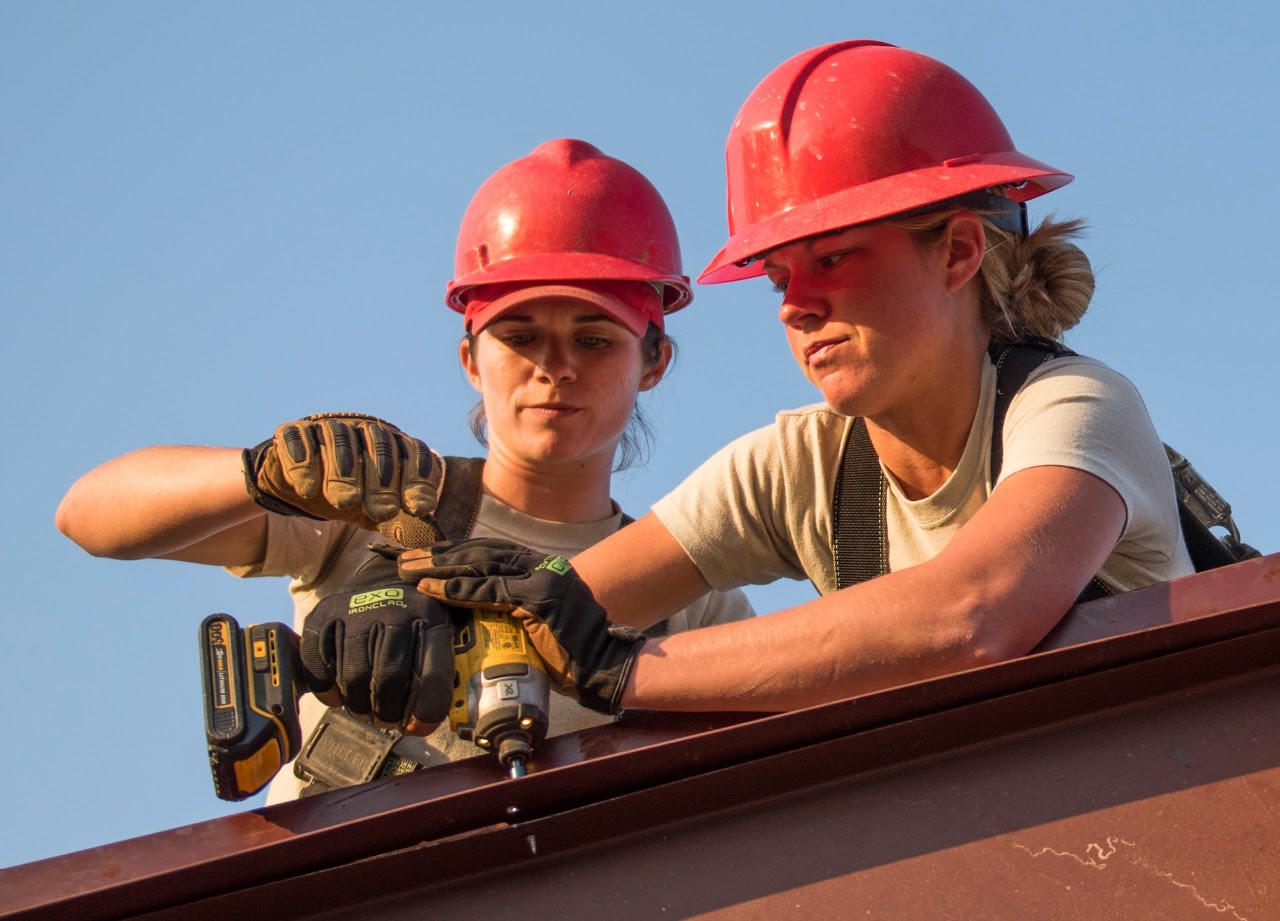
Skilled construction workers perform tasks involving physical labor at construction sites. May operate hand and power tools of all types: air hammers, earth tampers, cement mixers, small mechanical hoists, surveying and measuring equipment, and a variety of other equipment and instruments. May clean and prepare sites, dig trenches, set braces to support the sides of excavations, erect scaffolding, and clean up rubble, debris, and other waste materials. May assist other craft workers.
Check out these training videos for more insight into skilled construction roles.
WAGES AND EMPLOYMENT PROJECTIONS
$44,000/yr
Median Annual Wage for Skilled Construction Workers
126,000
Annual Projected Job Openings

High Outlook
This occupation is expected to grow much faster than the national average

are you a good fit to be Skilled Construction worker?
People starting in this career usually have:
Preference to take action vs taking a long time to plan
Preference for details and consistency in your work
Ability to do basic math especially adding and subtracting fractions
Ability to consistently lift and carry 50 lbs.
Ability to work outside in all conditions
sKILLS & Day to day Activities

sKILLS
sKILLS
Communications
Lifting Ability
Loading And Unloading
Management
Customer Service
Operations
Detail Oriented
Good Driving Record
Strong Work EthicCoordinating
Day to day activities
Day to day activities
Operate pumps or compressors.
Maintain construction tools or equipment.
Install plumbing or piping.
Review blueprints or specifications to determine work requirements.
Finish concrete surfaces.
Measure work site dimensions.
Mark reference points on construction materials.
Dismantle equipment or temporary structures.
Assemble temporary equipment or structures.
Clean work sites.
Compact materials to create level bases.
Dig holes or trenches.
Load or unload materials used in construction or extraction.
Install insulation in equipment or structures.
Apply paint to surfaces.
Remove worn, damaged, or outdated materials from work areas.
PROS AND CONS OF BEING A SKILLED CONSTRUCTION WORKER

PROS
Job Availability: The construction industry often has a consistent demand for skilled laborers, providing job security and opportunities for employment.
Hands-On Work: If you enjoy physical labor and working with your hands, construction can be a satisfying career choice.
Variety of Projects: Construction laborers get to work on a wide range of projects, from residential buildings to commercial structures and infrastructure projects, which keeps the work interesting.
Skill Development: You can learn a variety of skills in construction, from operating heavy machinery to carpentry, masonry, and concrete work.
Competitive Pay: Skilled construction laborers can earn a competitive wage, and in some cases, their compensation can be further improved through overtime and specialized training.

Physical Demands: Construction work can be physically demanding, involving heavy lifting, prolonged standing, and exposure to harsh weather conditions.
Safety Risks: Construction sites can be hazardous environments, with the potential for accidents and injuries. Strict adherence to safety protocols is crucial.
Seasonal Variability: Some construction projects are seasonal, and work may be affected by weather conditions, leading to periods of unemployment.
Inconsistent Hours: Work hours can be irregular, with some projects requiring long hours, weekend work, and night shifts.
Job Instability: Economic downturns can impact the construction industry, leading to job instability during recessions or downturns in the real estate market.
Physical Wear and Tear: Over time, the physical demands of the job can lead to wear and tear on the body, potentially resulting in long-term health issues.