

Heavy and Tractor-Trailer Truck Driver
What is a Heavy and Tractor-Trailer Truck Driver ?
Heavy and Tractor-Trailer Truck Drivers, also known as CDL Drivers (Commercial Driver's License Driver), drive a tractor-trailer combination or a truck with a capacity of at least 26,001 pounds Gross Vehicle Weight (GVW). These types of trucks include semi-trucks, dump trucks, sanitation trucks, and passenger buses.
CLASS A CDL
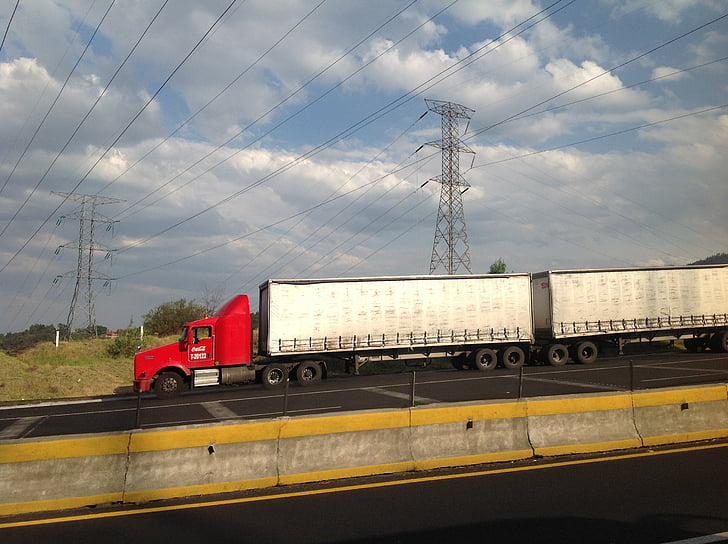
A Class A CDL is required for the operation of a combination of vehicles (such as a tractor connected to a trailer) with a gross vehicle weight of 26,001 pounds or more and a towing capacity of more than 10,000 pounds. A Class A CDL with the correct endorsements should allow the driver to operate many commercial motor vehicles. This includes operating Class B vehicles.



CLASS B CDL
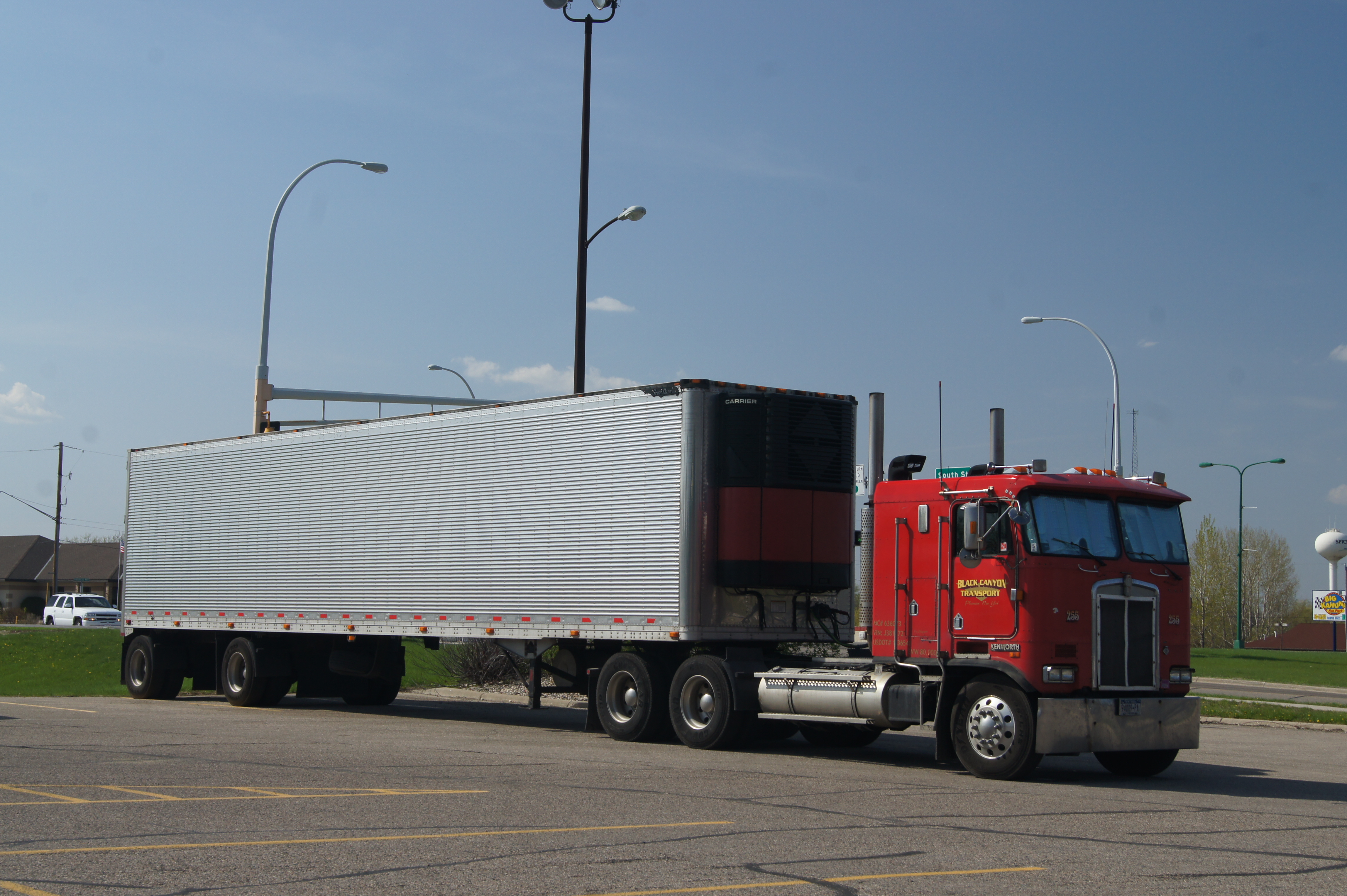
A Class B CDL is required for the operation of a single vehicle with a gross vehicle weight of 26,001 pounds or more and a towing capacity of no more than 10,000 pounds. With the correct endorsements, a Class B CDL holder can operate vehicles including straight trucks, buses, garbage trucks, dump trucks, delivery trucks, and cement mixers.
To read about the different types of CDL endorsements click here.
WAGES AND EMPLOYMENT PROJECTIONS
$55,000/yr
Median Annual Wage for Heavy and Tractor-Trailer Truck Driver in the U.S.
341,000
Annual Projected Job Openings

HIGH demand and GOOD outlook

are you a good fit to be a cdl driver?
People starting in this career usually have:
Comfort operating vehicles and equipment
Safety mindset
A preference to work with things rather than people or ideas
A preference to work alone
H.S. Diploma or equivalent
Regular driver's license for at least one year
sKILLS & Day to day Activities


sKILLS
sKILLS
Attention to detail
Dependability
Self-control
Safety mindset
Defensive driving
Stress tolerance
Day to day activities
Day to day activities
Spend the majority of your day in an enclosed vehicle
Frequent work outdoors when loading and unloading
Check all load-related documentation for completeness and accuracy.
Inspect loads to ensure that cargo is secure.
Check vehicles to ensure that mechanical, safety, and emergency equipment is in good working order.
Utilize software to log daily hours, routes, and mileage.
PROS AND CONS OF COMMERCIAL TRUCK DRIVING

PROS
Getting started in trucking is fairly easy and doesn't require years of schooling or lots of prior experience
Truck drivers are always in demand
You get to work independently
Your focus will be on the road so you will have a limited amount of tedious tasks to complete

CONS
Potential for an unhealthy lifestyle
Driving for long hours can wear you out and cause instances of fatigue
Though you work independently, you will be alone most days, especially if you do long trips