.png)
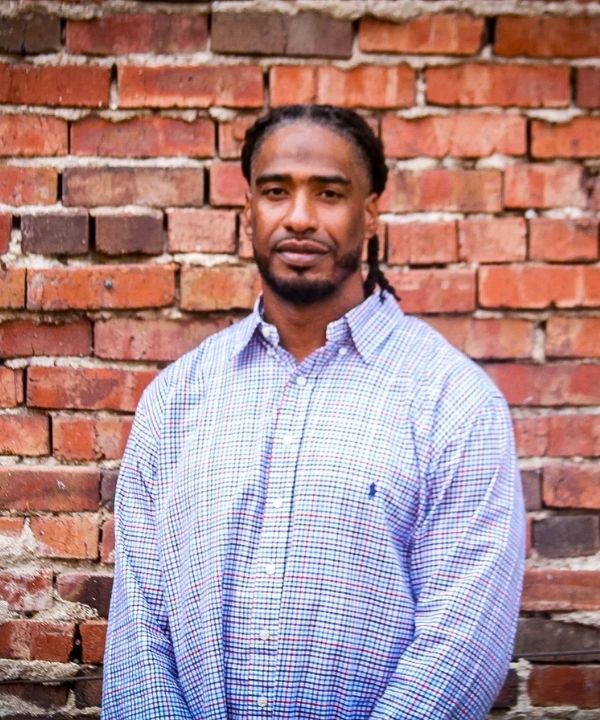
When Damien first came home after incarceration, life felt unfamiliar.
“It was very unreal,” he recalls. “I struggled to find employment. People kept turning me down for basic things because I was fresh out. I had a record. I didn’t want to ask for help and I felt like I had to figure everything out on my own.”
Like many people returning home, Damien faced barriers that went beyond employment. Reentry came with pressure, uncertainty, and the emotional weight of trying to rebuild while carrying the experiences of incarceration with him. At one point, it all became overwhelming.
“I really felt like the walls were closing in,” Damien says. “I had questions I needed answers to, and I didn’t know who to talk to. Therapy felt like my last shot and it worked.”
Through therapy, Damien began unpacking emotions he had carried for years and learning healthier ways to process them.
“It was deep and intellectual,” he says. “They helped me understand where my emotions came from and what was at the root of my anger. It’s not about making it disappear completely. It’s about learning how to navigate through it.”
One word that stayed with him more than anything else was patience.
“I learned how to relax, step back, and let life take its course. Not forcing everything. Just being patient.”
That growth started to show up in every part of his life. Prioritizing his mental health helped Damien strengthen important relationships and move forward with a new perspective.
“One of the main things we focused on was family relationships and forgiveness,” he says. “I was able to let go of a lot and move on in a healthier way, fix generational trauma, and build new family bonds. That meant everything to me.”
Today, Damien defines stability not through wealth or status, but through consistency and peace of mind.
“It’s about having your ducks in a row. Working, paying rent, having transportation, building your credit, and just being comfortable. Not having too much, but not having nothing at all.”
Now employed full-time, Damien says prioritizing his mental health changed the direction of his life. For people navigating reentry, he believes mental health support is just as important as employment, housing, or transportation because unresolved trauma and stress can quietly impact every part of someone’s life.
“Do it. Give therapy a shot and go to work,” Damien says. “Even if you don’t feel ready to open up, just try it. It changed my life drastically.”
He hopes more people understand that returning home from incarceration often comes with emotional challenges that are rarely talked about openly.
“Pressure makes diamonds,” Damien says. “A lot of people who’ve been through incarceration have survived things most people never will, but those experiences made us more resilient. Just give us a shot.”
Today, Damien is focused on building stability, strengthening relationships, and creating a future on his own terms. His story is proof that with support, opportunity, and fair chances, healing and growth are possible.